LinkSphere


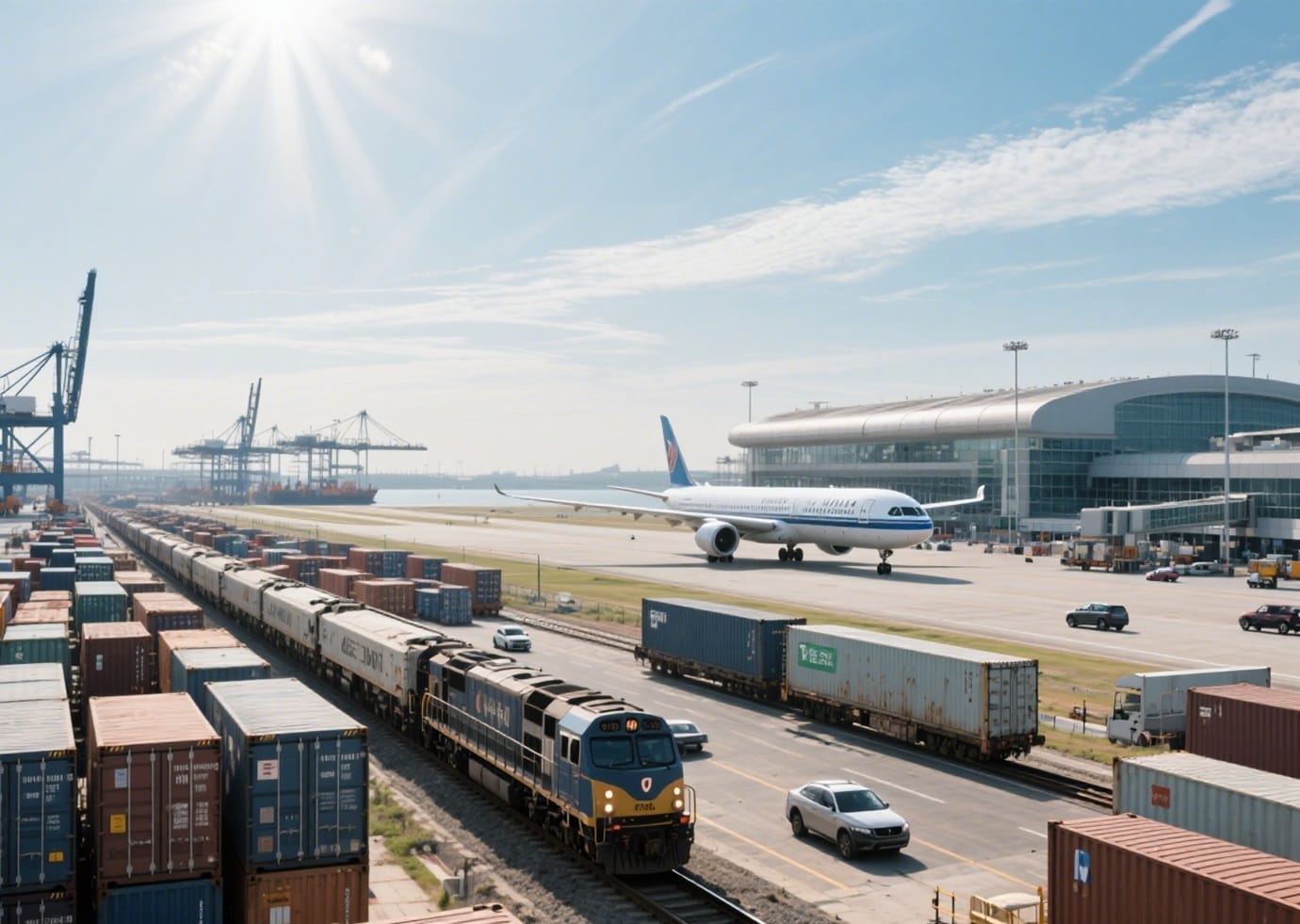
Every day counts when your shelves are empty or launch deadlines loom. Choosing between air, rail, and sea freight isn’t just about cost – it’s a strategic calculation where mistakes can erase margins or torpedo customer trust. Here’s how to decode the trade-offs.
The Real Cost-Speed Matrix
Air Freight: £8-12/kg | 5-14 working days
Ideal for:
• Orders under 200kg (e.g., electronics samples)
• Perishables or Black Friday stock emergencies
Rail Freight: £3.5-5/kg | 25-28 working days
Sweet spot:
• Mid-value goods avoiding sea moisture (textiles, ceramics)
• Post-strike replenishment (avoiding port backlogs)
Sea Freight: £1.2-2.5/kg | 35-45+ working days
(Delays may extend significantly due to geopolitical conflicts, port strikes, force majeure, or other unforeseen events)
Only viable when:
• You hold 60+ days of buffer stock
• Shipping container-loads of low-value items (e.g., furniture)
Your Break-Even Formula
(Air Cost − Sea Cost) ÷ Daily Profit Margin = Max Tolerable Delay Days
Real case: Paying £7,200 more for air? At £650/day profit, sea delays beyond 11 days make air cheaper.
Critical Overlooked Factors:
Rail: Requires China-side trucking to inland hubs
Air: Last-mile fees add 18-25% to quoted rates
Sea: Demurrage costs average £120/day during port congestion
Pro Tip: For shipments >500kg, compare door-to-door costs – not port-to-port.